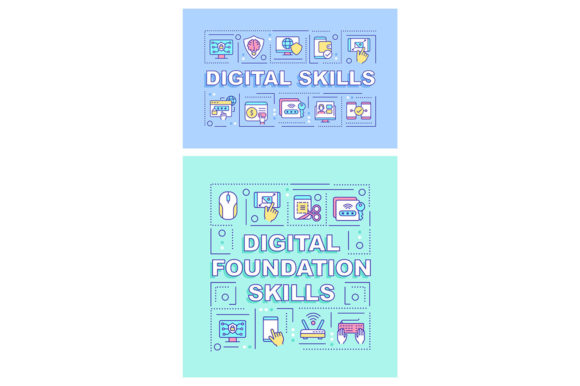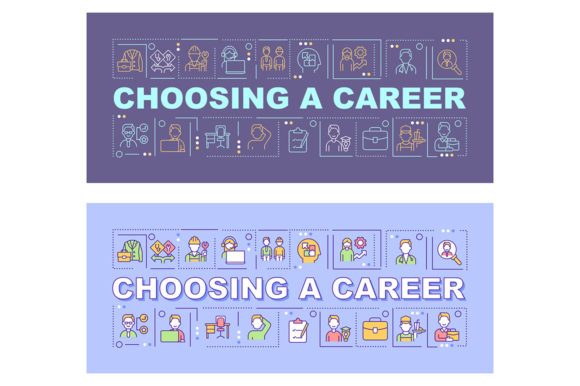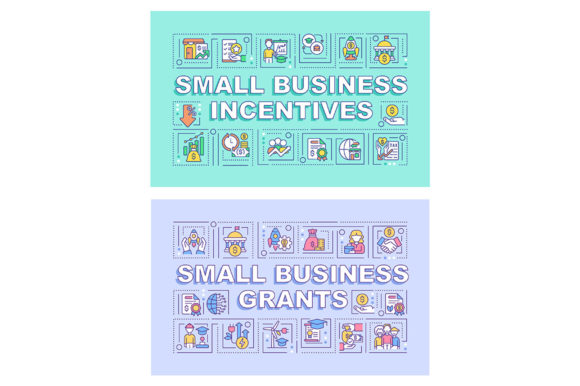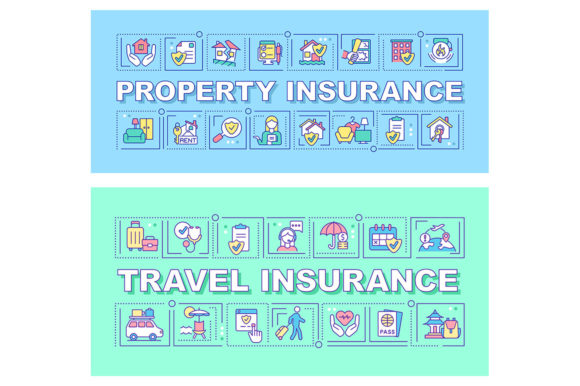
Mastering Graphic Design Principles Word Banners: A Comprehensive Guide
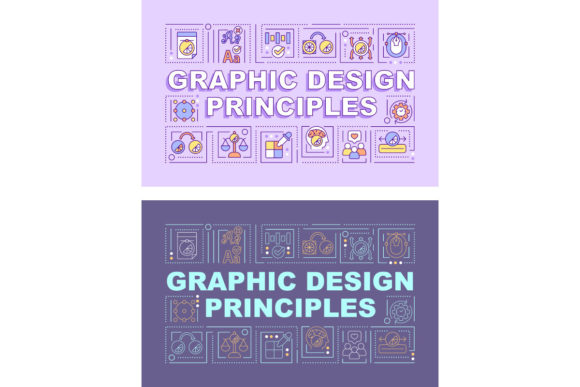
Graphic Design Principles Word Banners are a versatile and visually appealing way to communicate key design concepts. These banners, often featuring isolated typography and vibrant color backgrounds, are essential for anyone looking to enhance their design projects. Whether you're a beginner or a seasoned professional, understanding how to effectively use these banners can significantly improve the quality and impact of your visual content.
Why Choose Graphic Design Principles Word Banners?
These banners are not just aesthetically pleasing; they serve as powerful tools for conveying design principles in a clear and engaging manner. They are ideal for educational purposes, presentations, and even as decorative elements in design portfolios. The use of Arial-Black font adds a bold and modern touch, making the text stand out and easy to read.
Misunderstanding the Purpose
One common mistake is using these banners without fully understanding their purpose. Each banner is designed to highlight a specific design principle, such as balance, alignment, or hierarchy. Misusing them can lead to confusion and a lack of coherence in your design. Always ensure that the banner you choose aligns with the message you want to convey.
Ignoring File Formats
The collection includes various file formats (EPS, SVG, PNG, JPEG, AI), each with its own advantages. For example, SVG and EPS are vector formats, ideal for scalable graphics, while PNG and JPEG are raster formats, better for web use. Ignoring the appropriate format can result in poor image quality or incompatibility with your design software. Always check the file format before downloading or purchasing.
Overlooking Typography and Color
The choice of Arial-Black font and the color scheme are crucial. Using a different font or altering the colors can disrupt the intended aesthetic and readability. If customization is necessary, make sure it enhances the overall design rather than detracting from it. Consistency in typography and color is key to maintaining a professional and polished look.
Match the Banner to Your Content
When selecting a banner, consider the specific design principle you want to emphasize. For instance, if you are teaching about balance, choose a banner that visually represents this concept. This alignment between the banner and your content will make your message more impactful and easier to understand.
Check Compatibility Before Downloading
Before downloading or buying a banner, verify that the file format is compatible with the software you are using. This step can save you time and frustration later on. Most graphic design software supports vector formats like SVG and EPS, but always double-check to avoid any issues.
Maintain Consistency in Design
Consistency is key in design. If you decide to customize the banner, keep the changes minimal and in line with the original style. This ensures that the banner remains effective and does not clash with the rest of your design. Consistent use of typography and color will help maintain a cohesive and professional appearance.
What to Check Before Making a Decision
- Purpose: Ensure the banner aligns with the design principle you want to highlight.
- File Format: Confirm that the file format is compatible with your design software.
- Customization Needs: Determine if you need to customize the banner and how to do so without compromising its effectiveness.
- Quality and Resolution: Check the resolution and quality of the images, especially if you plan to use them for print or high-resolution displays.
By following these guidelines, you can effectively use Graphic Design Principles Word Banners to enhance your design projects and communicate your ideas more clearly. Remember, the right banner can make a significant difference in the overall quality and impact of your visual content.
For more resources and updates, including new topics and discounts, subscribe to BSD Studio. Stay informed and equipped with the latest design tools and trends to elevate your creative work.